Innovation of Quality
What Is TPM? A Beginner’s Guide to the 8 Pillars of Total Productive Maintenance
In today’s competitive manufacturing environment, efficiency is everything. But how can companies minimize breakdowns, improve product quality, and empower frontline workers simultaneously? The answer lies in TPM, or Total Productive Maintenance.
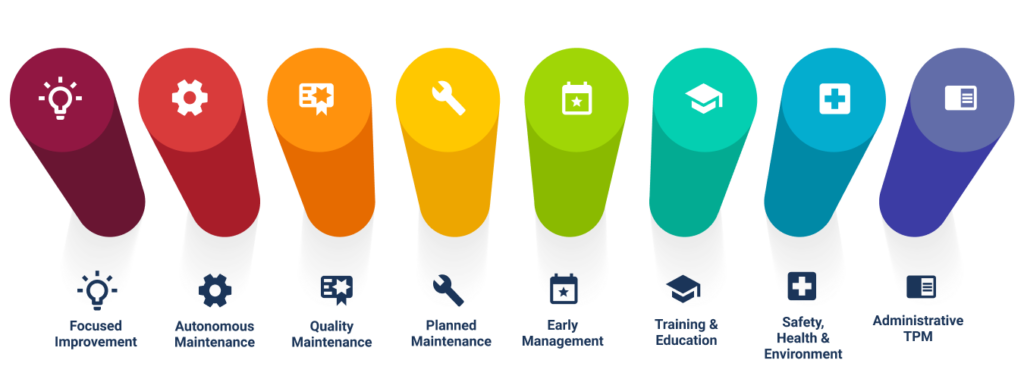
TPM is a holistic approach to equipment maintenance that aims to achieve zero breakdowns, zero defects, and zero accidents through proactive and preventative strategies. At the core of TPM are 8 structured pillars, each designed to boost productivity, reliability, and worker ownership on the shop floor.
The 8 Pillars of TPM (Total Productive Maintenance)
1. Focused Improvement
Also known as Kaizen, this pillar promotes minor, ongoing improvements. Workers from various departments collaborate to identify and resolve issues that impact production. These "Kaizen events" aim to eliminate waste and maintain smooth operations.
2. Autonomous Maintenance
Operators are responsible for basic maintenance tasks, including cleaning, inspecting, and lubricating their machines. This fosters ownership and enables technicians to concentrate on complex issues. It also helps detect minor problems before they escalate into larger ones.
3. Quality Maintenance
The goal here is to prevent defects before they happen. Teams perform root cause analyses (RCAs), utilize checklists, and apply error-proofing techniques to minimize rework, reduce costs, and enhance product quality.
4. Planned Maintenance
Maintenance is scheduled during non-production hours to prevent downtime. This pillar combines machine data and experience to predict and prevent failures, ensuring a steady workflow and reducing sudden breakdowns.
5. Early Management
When new equipment is introduced, this pillar ensures it’s installed, tested, and maintained correctly from day one. Lessons learned from other pillars, such as autonomous and quality maintenance, are applied early to ensure a smooth start-up.
6. Training and Education
Operators and managers are trained to keep up with increasingly complex technology. This pillar identifies skill gaps and helps develop a workforce that is knowledgeable, confident, and capable of solving problems independently.
7. Safety, Health & Environment (SHE)
A safe, healthy workplace is essential. This pillar focuses on eliminating hazards, preventing accidents, and promoting physical and mental well-being for all employees. Think air quality, workload balance, and ergonomic workspaces.
8. Administrative TPM
TPM isn’t just for the factory floor. This pillar integrates TPM principles into logistics, planning, and office operations, aiming to streamline workflows, minimize administrative waste, and enhance business-wide efficiency.
Why TPM Matters
TPM transforms maintenance from a reactive duty to a proactive culture. By empowering operators, reducing waste, and enhancing safety, TPM enables manufacturers to produce more reliable equipment, higher-quality products, and happier workers. Whether you're just getting started or looking to optimize your existing TPM strategy, focusing on these 8 pillars can drive long-term performance gains across your entire organization.
Real-World Example: Toyota’s Use of TPM
Toyota is one of the most well-known companies to have successfully implemented TPM as part of its broader Toyota Production System (TPS). At Toyota, TPM supports its goals of lean manufacturing, zero defects, and continuous improvement.
-
Operators are trained to take care of their own equipment (autonomous maintenance)
-
Regular Kaizen events focus on reducing downtime and improving process flow.
-
Preventive and predictive maintenance practices are deeply embedded in daily operations.
This approach has enabled Toyota to achieve high productivity, consistent quality, and low operational costs, thereby establishing itself as a global leader in manufacturing excellence.

What About Six Sigma?
While TPM focuses on equipment reliability and operator ownership, Six Sigma is a data-driven methodology that focuses on reducing defects and process variation. It aims for near-perfection, just 3.4 defects per million opportunities.
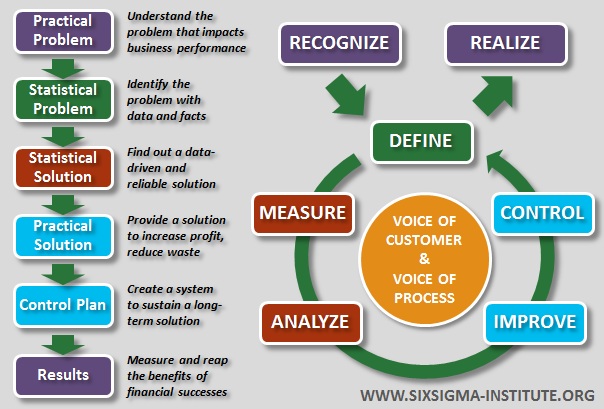
Six Sigma follows a structured problem-solving process called DMAIC:
-
Define the problem
-
Measure current performance
-
Analyze root causes
-
Improve the process
-
Control to sustain results
Many companies combine TPM with Six Sigma to achieve both operational excellence and high product quality. While TPM improves machine availability, Six Sigma enhances process consistency and customer satisfaction.

Samsung Electronics is a notable example of the successful application of Six Sigma in the tech industry. Starting in the late 1990s, Samsung adopted Six Sigma not only in its manufacturing operations but also across its R&D, marketing, and customer service departments.
By focusing on data-driven quality improvement and reducing process variation, Samsung significantly lowered defect rates in its production lines. This contributed to its transformation from a low-cost electronics producer into a globally respected premium brand.
Six Sigma helped Samsung:
-
Reduce product defects and warranty claims
-
Improve customer satisfaction
-
Increase efficiency in decision-making and process design
By combining TPM for equipment reliability and Six Sigma for quality control, Samsung built a manufacturing system that delivers both operational excellence and world-class product quality.


댓글
댓글 쓰기